
So you may ask Why choose CNC to employ people on the spectrum?
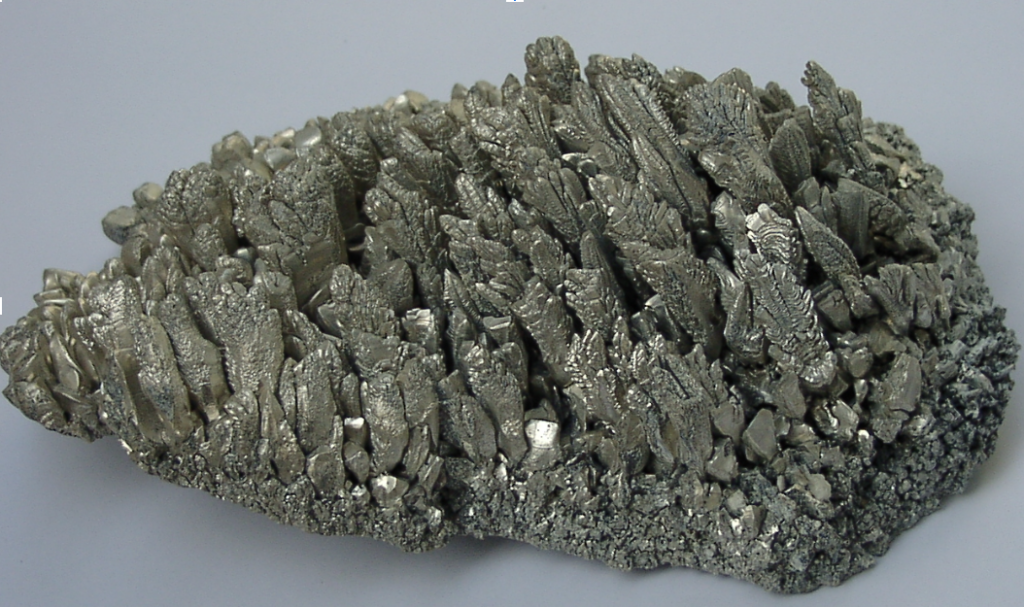
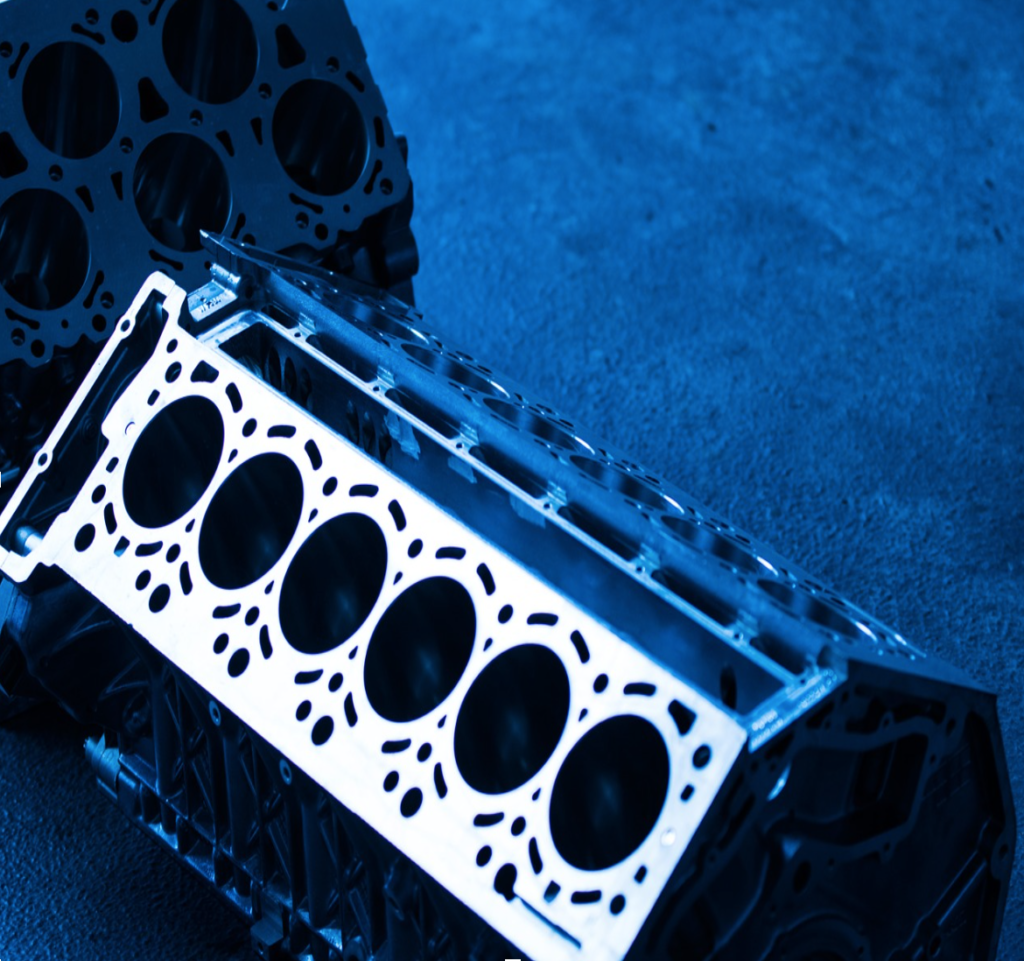
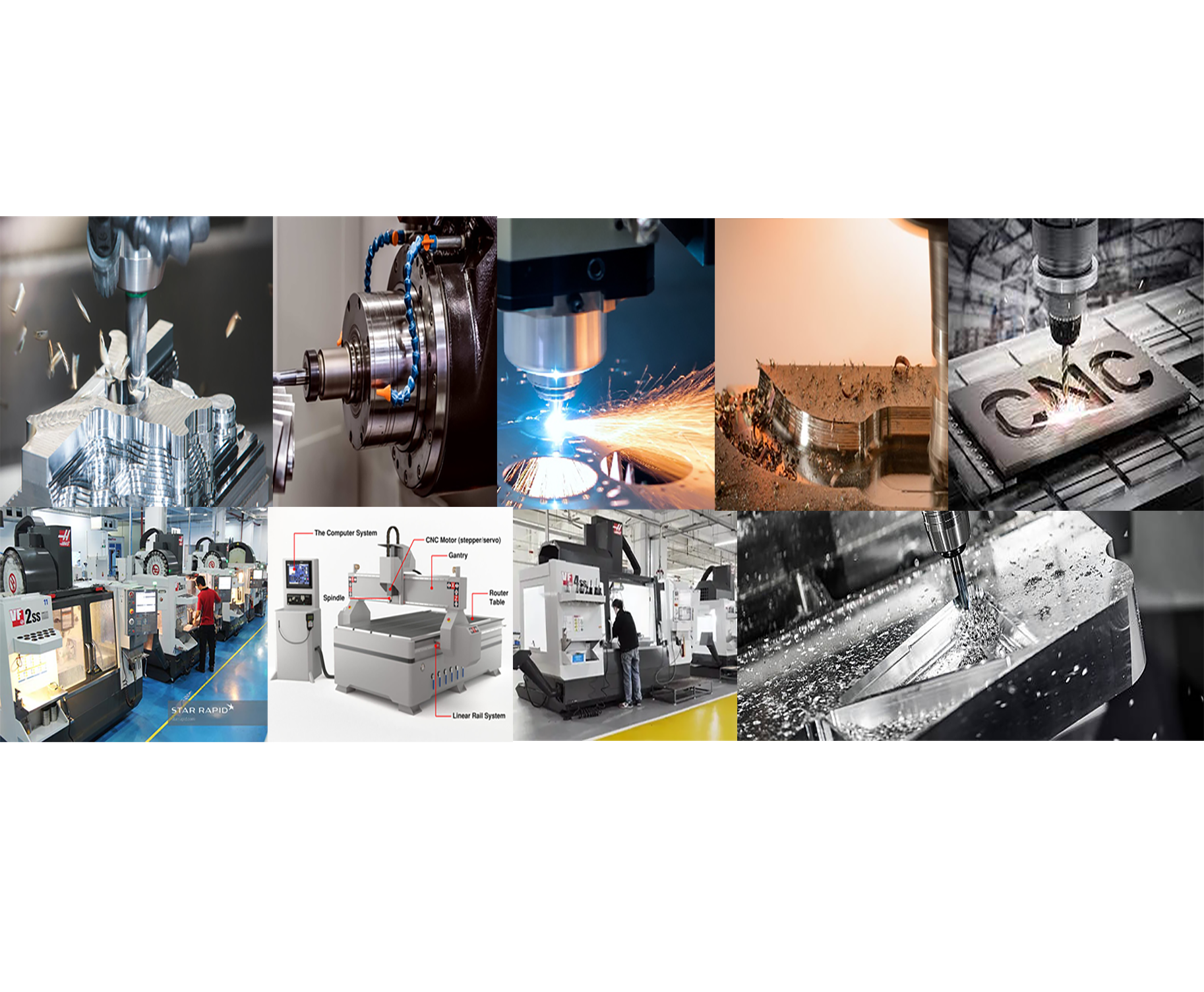
1. One of the main reasons is that it is a very rewarding career. You are taking a rough, raw material from the earth and turning it into a usable workpiece.
2. One of the other main reasons is that there are so many levels of competence. There are several jobs related to CNC starting with basic shop maintenance to advanced programming. For instance someone could start out in…….Facilities
- Secondary equipment operator – This would include cutting stock on the saw, running drill presses, sanders,grinders ect. This could also include part deburring where you use a file, sandpaper or die grinder to remove basic burs.
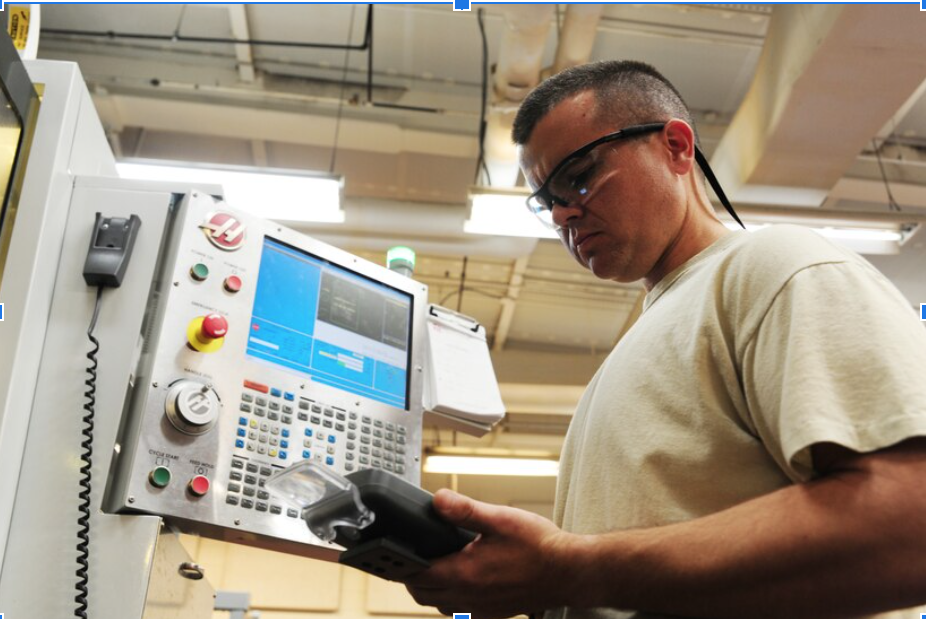
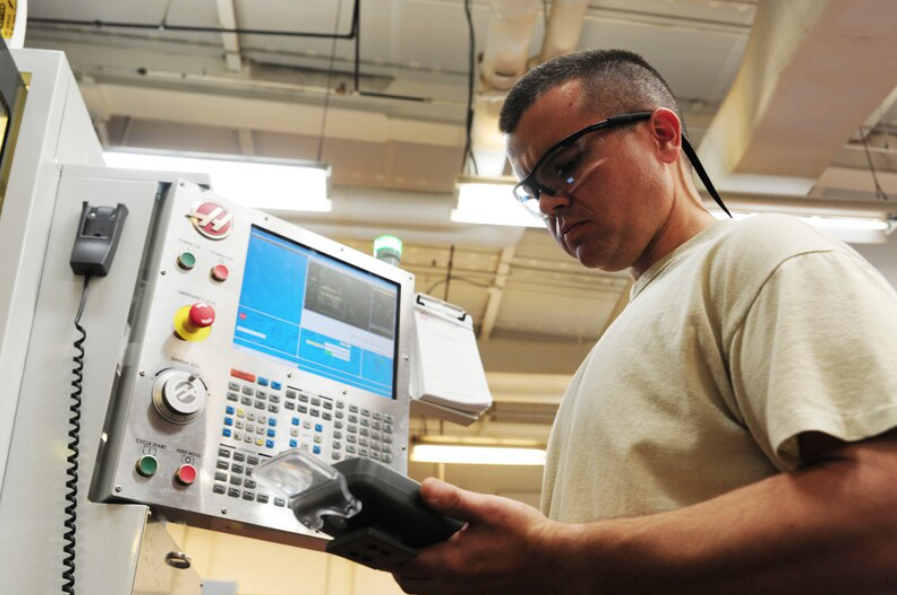
- Basic CNC operator – is the real deal. You would be loading and unloading parts in a cnc machine. You check the critical measurements and perform offsets as the tools wear down and the machine heats up. This is a very rewarding job and is also a great way to build self esteem as you are constantly completing jobs.
- Inspector/QC– Control is one of the most important jobs in a shop. You are not running any CNC machines, but you are inspecting every dimension on a part. Tools used would be calipers, micrometers, rulers, bore gages, depth mics, ID mics, height stand and indicators on a granite work surface plate.
- Set-up/Operator trainee– job is the same as a basic CNC operator but you help the setup person get the machine going. This would include running the cnc machine and when you complete the order you will complete the paperwork, do the inspection on the last piece and ensure the paperwork and counts are all correct. Then you tear down the old tooling and fixturing by un bolting the tools and fixtures. Then you clean everything up and install the tooling and fixturing for the new part to be run in the machine.
- Set-up/Operator– You run the job until its finished and then set up the next job. You get a proven CNC program from the programmer and run the first piece of the new job on your own.
- Programmer– This is the most important job in the shop. Since you write the programs you have to know how long the part takes to run as well as how long to set up the machine. This means you will be helping scheduling and quoting departments. YOu complete the complex program in a language that the machines understand. Different machines have different languages so a god programmer will speak different languages.
- Manufacturing engineer– A good manufacturing engineer will be able to do all of the above named jobs. They will also be proficient in part design as well as fixture design. They will look at making the shop cost effective with practices such as lean mfg, Kaizen, set up reduction and bottlenecks.
- Shop manager– The shop manager is responsible for making sure that everyone stays on task and that everyone has what they need to get the job done. A good manager will listen and support the shop while making sure that quotas and timelines are meet.
- Shipping/receiving– This is an important job as sometimes it is combined with OP (outside process) Parts can take a long time to make and be very delicate so they must be packed with care and must be delivered on time.
- CAD/CAM– Computer Aided Design and Computer Aided Manufacturing is another important job in a shop. Many times shops will make their own operational prints and you can use them files to generate G code programs.
- Tool crib/Inventory manager– This is an emerging job due to the CNC set up reduction craze that is going on. The shops that are successful are “kitting” their set ups so that when the machine goes down the tools, jaws, fixtures are all right there and the program is already loaded in the machine and has already been simulated.